

How SANE Exams and CortexFlow Imaging Support Trauma-Informed Care at Lori's Place
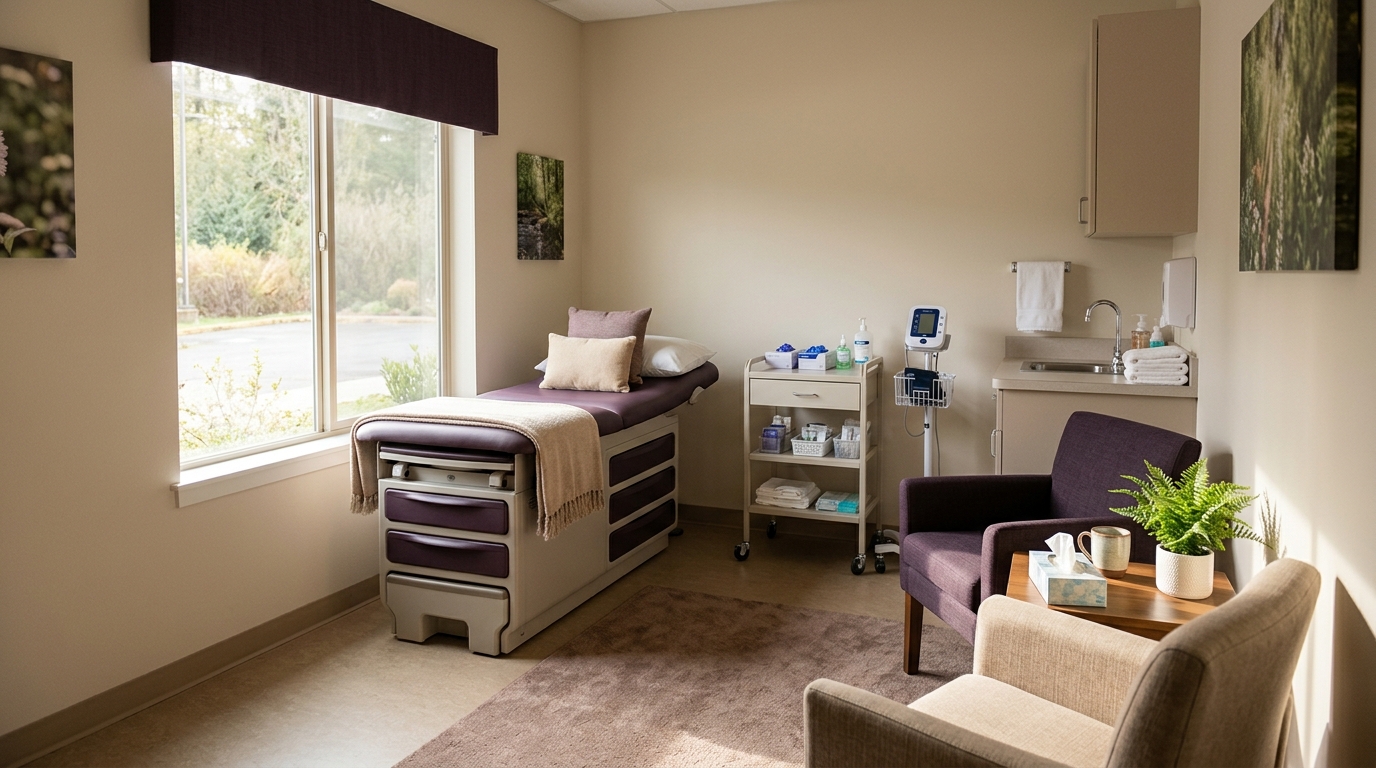
A sexual assault nurse examiner (SANE) exam is a specialized, trauma-informed forensic medical exam that may be available to a survivor after sexual assault. It is designed to support health needs, offer information, and document findings when a survivor chooses. At Cochise Family Advocacy Center, known as Lori’s Place, we believe survivors deserve care that protects their dignity, respects their choices, and helps them feel as safe and supported as possible.
Our team provides free advocacy services and coordinated support for survivors and families throughout Cochise, Graham, and Greenlee Counties. Whether someone needs immediate crisis intervention, survivor resources, or simply clear information about what may be available, Lori’s Place is here to listen without pressure.
What Is a SANE Exam?
A SANE exam is provided by a nurse with specialized education in caring for people who may have experienced sexual assault. The exam can include a general check-in about health concerns, an opportunity to discuss available care, and—if the survivor wants it—documentation that may be useful for a report or investigation.
It is important to know that a forensic medical exam is not something that happens to
a survivor. The survivor is at the center of the process. They can ask questions, request breaks, decline any part of the exam, or stop at any time. Choosing an exam does not obligate someone to make a report or take any particular next step.
Every person’s circumstances are different. A trained medical professional can explain what options may be available, answer general questions, and help the survivor decide what feels right for them in that moment.
Trauma-Informed Care Begins With Choice
Trauma-informed care recognizes that an experience of violence can affect how a person feels physically and emotionally. A calm, respectful approach can help reduce pressure and give the survivor more control over what happens next.
At Lori’s Place, we approach sexual assault support in Cochise County with the understanding that there is no “right” way to respond to trauma. Some survivors may want to talk right away. Others may need quiet, time, a trusted support person, or help understanding their options before making any decisions.
Trauma-informed forensic medical care often includes simple but meaningful practices, such as:
- Explaining each step before it happens
- Asking permission and honoring consent throughout the process
- Offering choices whenever possible
- Creating space for questions, pauses, and breaks
- Using respectful, nonjudgmental language
- Connecting survivors with advocacy and ongoing support
These practices help reinforce an essential message: the survivor remains in control of their own decisions.
How Injury Documentation May Be Used
Some survivors choose to have visible injuries documented as part of a forensic medical exam. Documentation may involve written notes and photographs, depending on the individual’s choices and the options available. It can create a record of observations from that point in time, but it does not define a survivor’s experience or determine whether their account is believed.
Injuries can change over time, and early bruising may be subtle or difficult to see. This is one reason specialized documentation tools may be helpful. The goal is not to pressure anyone into an exam or to promise a particular outcome. It is to offer clear, respectful options for those who decide documentation is right for them.
How CortexFlow Camera Technology Can Help
CortexFlow camera technology can assist trained professionals with documenting certain injuries, including bruising that may be faint or still developing. By helping capture visual information that might be less noticeable in standard images, the technology can support more detailed documentation during a forensic medical exam.
This technology is one tool within a larger survivor-centered process. It does not replace a medical professional’s judgment, advocacy support, or a survivor’s voice. It also does not guarantee that an injury will be identified or that a particular legal or investigative result will follow.
At Cochise Family Advocacy Center, we view tools like CortexFlow through the lens of choice and care. If documentation is offered, survivors should receive understandable information about what it involves and have the freedom to decide whether they want it.
Support Is Available Beyond the Exam
A SANE exam can be one part of a survivor’s path, but support does not end when an appointment is over. Lori’s Place can help connect survivors with victim advocacy services, peer support for survivors, safety planning, mental health resources, and referrals based on individual needs.
As a family advocacy center serving Cochise County and neighboring Graham and Greenlee Counties, we also coordinate with appropriate community partners when a survivor chooses that support. Our role is to help make the process less overwhelming by offering a safe, neutral place to ask questions and explore available options.
We support survivors of sexual assault, domestic violence, child abuse, and human trafficking with compassion and respect. No one should have to navigate a difficult experience alone.
A Safe Place for Information and Support
People often have questions about forensic medical exams before they are ready to make any decisions. That is okay. Reaching out for information does not commit someone to an exam, a report, or any other action. It can simply be a first step toward understanding available survivor resources.
As a child advocacy center in Sierra Vista, Arizona, and a resource for individuals and families across the region, we are committed to providing care that is free, accessible, and centered on each person’s safety and well-being. Our hope is to support healing and justice while respecting every survivor’s individual path.
FAQ
What is the purpose of a SANE exam?
A SANE exam provides a survivor-centered opportunity to address general health concerns, learn about available options, and, if the survivor chooses, document observations that may be relevant to a forensic process. The exam is intended to be handled with care, privacy, and respect.
Do I have to report to law enforcement to receive support?
No one should feel pressured to make decisions before they are ready. Our advocates can provide general information about available support and help survivors understand their options. Contacting Lori’s Place for help or information does not mean a person must make a report.
Can I say no to parts of a forensic medical exam?
Yes. Choice is central to trauma-informed care. A survivor can ask questions, pause, decline any step, or stop the exam. A trained provider can explain each option so the survivor can decide what feels comfortable.
Why might early bruising be documented with CortexFlow technology?
Early bruising can sometimes be subtle. CortexFlow camera technology may help trained professionals capture more detailed visual documentation of certain injuries. It is an optional tool that may be discussed as part of a survivor’s individual care and documentation choices.
How can Lori’s Place help after sexual assault?
We offer free support and coordinated care for survivors across Cochise, Graham, and Greenlee Counties. Depending on a person’s needs and preferences, that may include crisis intervention, advocacy, support resources, referrals, safety planning, and help understanding available forensic medical exam options.
If you or someone you care about needs support or information, please contact Lori’s Place at (520) 515-4444. We are here to listen and help you understand your options.